
From the creator of “Years and Years” comes the chilling new series TIP TOE
Tip Toe: Russell T. Davies and Peter Hoar confront the return of homophobia
Leo already knows what it is to fight for his place in the world. A gay man nearing 60, he has survived the AIDS years, taken part in countless demonstrations and now lives peacefully with HIV. In Tip Toe, the life he has built in Manchester becomes the setting for a chilling drama about homophobia’s return.
Created by Russell T. Davies and directed by Peter Hoar, the five-episode miniseries announces its darkness immediately: Leo will be murdered just outside his home in a homophobic attack. What follows asks how his life could descend into such horror in barely ten days.
A life under threat
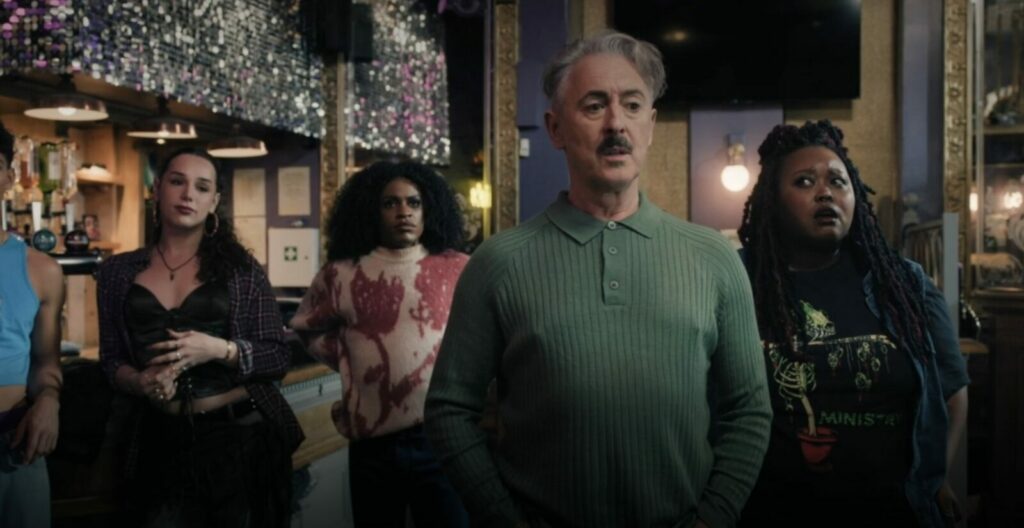
Alan Cumming is wonderful as always as Leo, the cheerful owner of a gay bar on Canal Street. A bit of a loudmouth, he likes telling everyone about his sexual adventures. He is still affected by his separation from the longtime partner he lived with, who left him for a woman. Now he concentrates on his work and a succession of fleeting sexual encounters.
Leo is committed to doing good in the community. He insists on keeping drag queens at the entrance to his bar even when told they are “less marketable,” employs people of different genders and often gives young job seekers a chance. Though sometimes a little out of touch and bourgeois, he is aware of the world around him, even if it worries him a little.
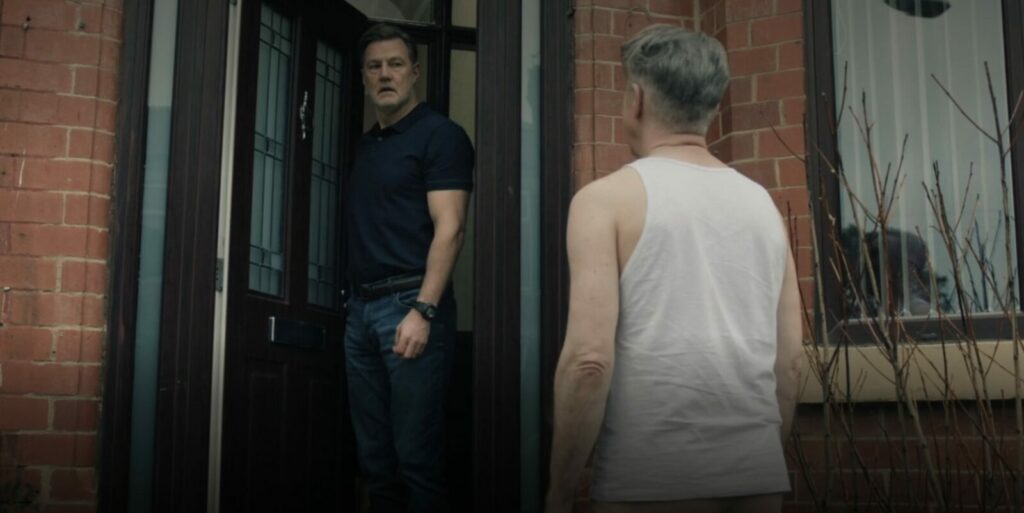
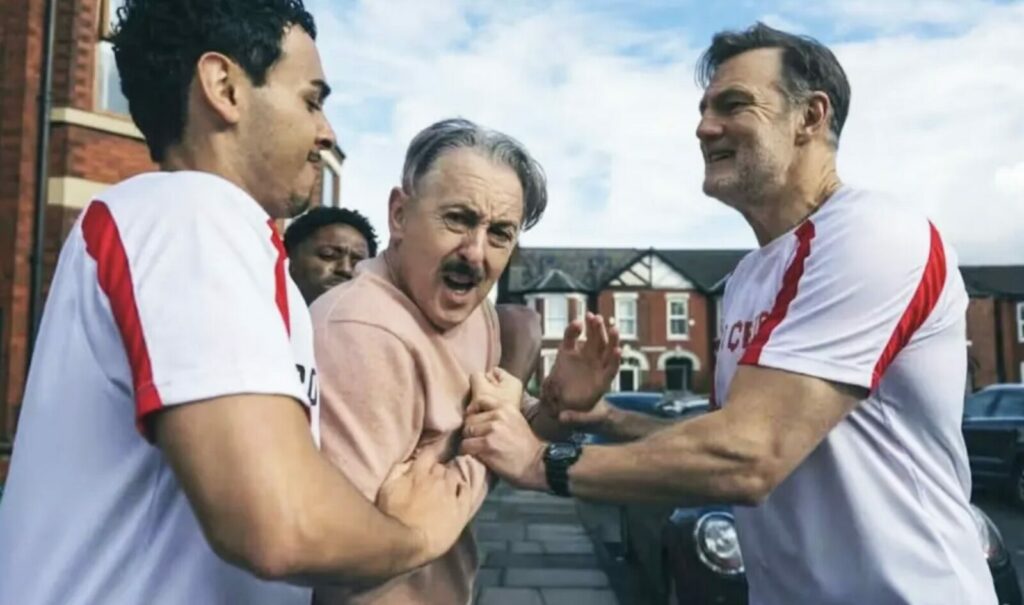
The opening brings that world close to home through an incongruous episode. After spending the night with a rather randy young man passing through, Leo has his computer stolen by him and chases him down the street in his underwear. He has left his keys behind and cannot get back inside, so he turns to his neighbor Clive for help. That encounter starts a downward spiral.
Two neighbors, and a dangerous uncertainty
Clive, played with perfect ambiguity by David Morrissey, is almost Leo’s opposite: a married, very masculine working-class handyman with two boys, who soon proves quite chauvinistic too. Their tense relationship, full of gray areas, is the series’ central concern, even as fragments show a society in which intolerance is gaining ground “without anyone noticing.”
Clive’s home life is miserable. His wife berates him and constantly argues with him after he admitted cheating on her; he has little connection with his sons and has withdrawn into himself. He comes across as a loser, although he refuses to face the truth. His foul temper, bad behavior and nauseating political views have burned bridges professionally, leaving him struggling to find work. Eventually, he asks Leo for a job.
Yet Clive can be helpful and kind, with a gruff, teddy-bear quality and a good heart. At times he seems to question himself or displays curiosity, as when he tries to understand the gay world. Alongside that humanity is deep violence and anger born of his failed life, sexual deprivation and pent-up frustrations. Uneducated, steeped in conspiracy videos and pumped up on masculinity, he looks like a time bomb.
A well-conceived montage captures the contrast: while the other characters enjoy themselves alone watching adult content, Clive is the only one who releases the pressure by watching ultra-violent crime videos.
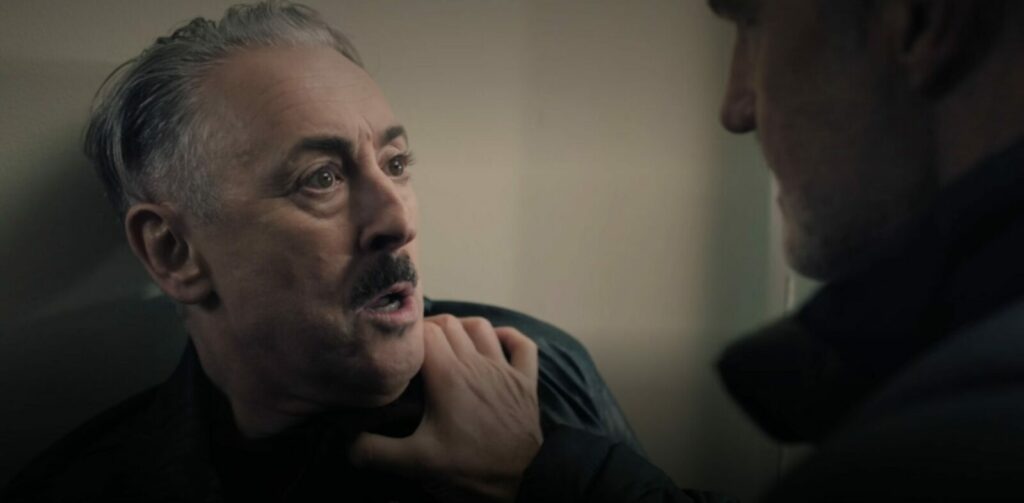
Across the five episodes, the series keeps us on the edge of a precipice. Clive seems capable of turning toward either good or bad at any moment, though often more toward bad. As the relentless, tragic plot advances toward a point of no return, he becomes increasingly intriguing, disturbing, complex and monstrous.
Progress and the false sense of safety
Leo, like many LGBT people, has witnessed change: coming out has become easier for many, people can marry, and trans people have gradually become more emancipated. But a rather disillusioned customer tells him that vigilance must never lapse, and it is hard to say he is wrong.
The far right is rising and omnipresent; homophobic attacks are returning; hateful rhetoric and despicable acts are directed at the trans community. There is also pressure for LGBT people to conform to heterosexual norms: to be good, discreet, non-sexualized and non-queer. Something seems to lurk in the air. We think we are safe, yet never feel entirely safe. Pride is retreating as fear grows.
Anger, scapegoats and repression
With a cruel domino effect that could traumatize more than a few viewers, Tip Toe depicts “the new extremist monsters” militantly and without filters. Poorly educated and fed on fake news, biased reporting and conspiracy videos, they are dissatisfied because they are unhappy with their lives and envious of those who have more. Instead of confronting their own mistakes and failures, they look for someone on whom to vent their frustration and anger.
Minorities and people who are different become the targets. Difference feels threatening to them: they blame immigrants if they do not earn enough, view people from other cultures with suspicion, and hate those who disturb their narrow idea of society and its established patriarchal models.
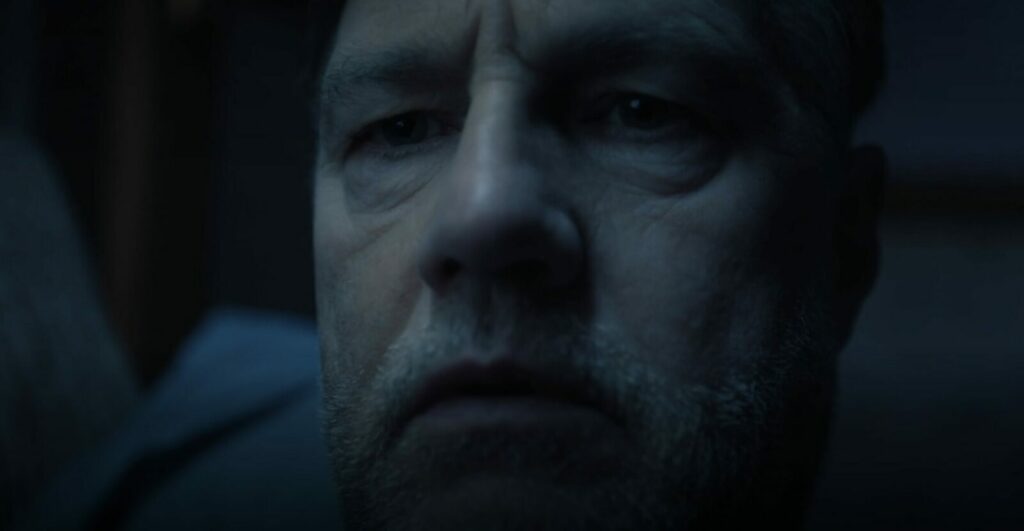
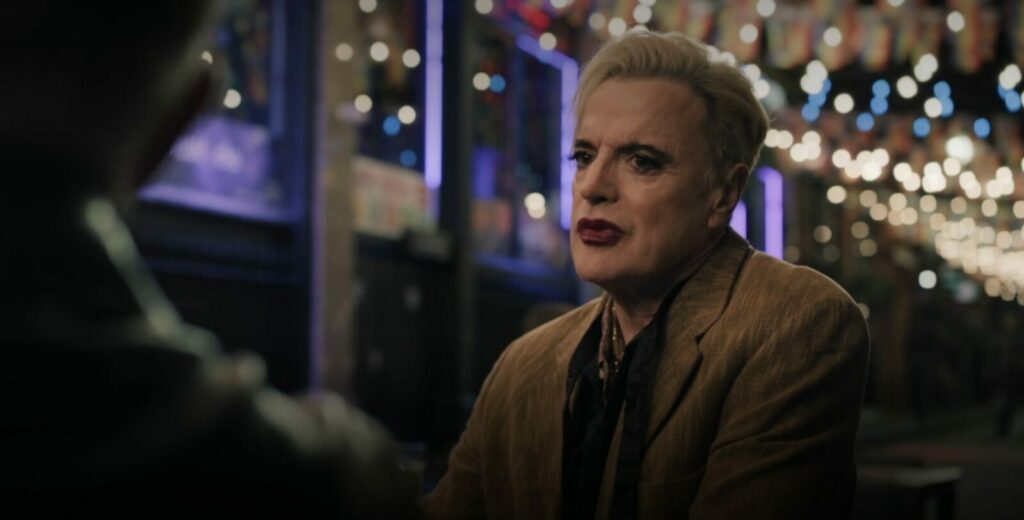
The acerbic miniseries also suggests that these enraged extremists, raging like beasts, particularly the men, are unsettled and frightened by their own urges. Clive is troubled by a drag queen, while another member of his extremely violent group is revealed to be a gay man in the closet. Repression, the denial of desire and the inability to accept one’s own difference can produce the worst.
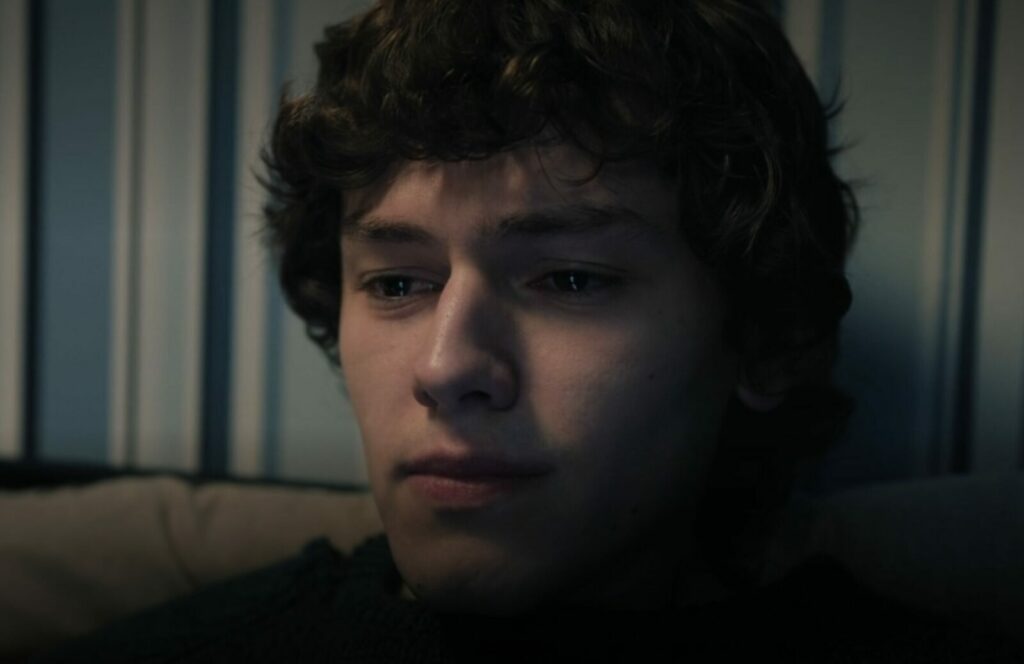
At one point Clive declares, with remarkable stupidity, that if his own son could be gay, it would be because LGBT people are too visible, as though homosexuality could “contaminate” straight people.
A political warning
Davies, whose work includes Queer as Folk UK, Years and Years and It’s a Sin, returns with a shocking miniseries that will not soon be forgotten. In its themes and strongly political character, Tip Toe is closer to Years and Years. Here, though, the setting is not a dystopia: reality itself has become just as frightening.
Davies tackles his subject head-on, sometimes laying it on a little thick and leaning heavily on violence and drama. His purpose is palpable throughout: to provoke a reaction and awaken consciences in a world where no freedom seems entirely secure for minorities anymore, and where politics, capitalism and social inequalities create monsters. The series warns against letting our guard down in a society that can quickly fall back into darkness. Watching it is paralyzing, but necessary.
Series produced in 2026 and available on
Other fiction about homophobia
- Hunting Scenes from Bavaria
- Animals
- Stand
- I Miss You