Ladybug mixes ghost-story unease, queer desire, and buried violence into an atmospheric supernatural thriller. Its ending is frustratingly loose, but the mood, performances, and eerie cabin setting make the film an intriguing slow-burn watch.


Maspalomas is a funny, bruising, and unexpectedly moving queer drama about aging, desire, illness, and the loss of control. Set against the early pandemic, it offers a refreshingly unsentimental look at gay life beyond youth.

Jezabel is an unsettling Venezuelan drama that explores unreliable memory, class privilege, and bisexual desire with a cool, searching intelligence. Its structure occasionally wobbles, but the film’s psychological tension and moral unease make it hard to shake.
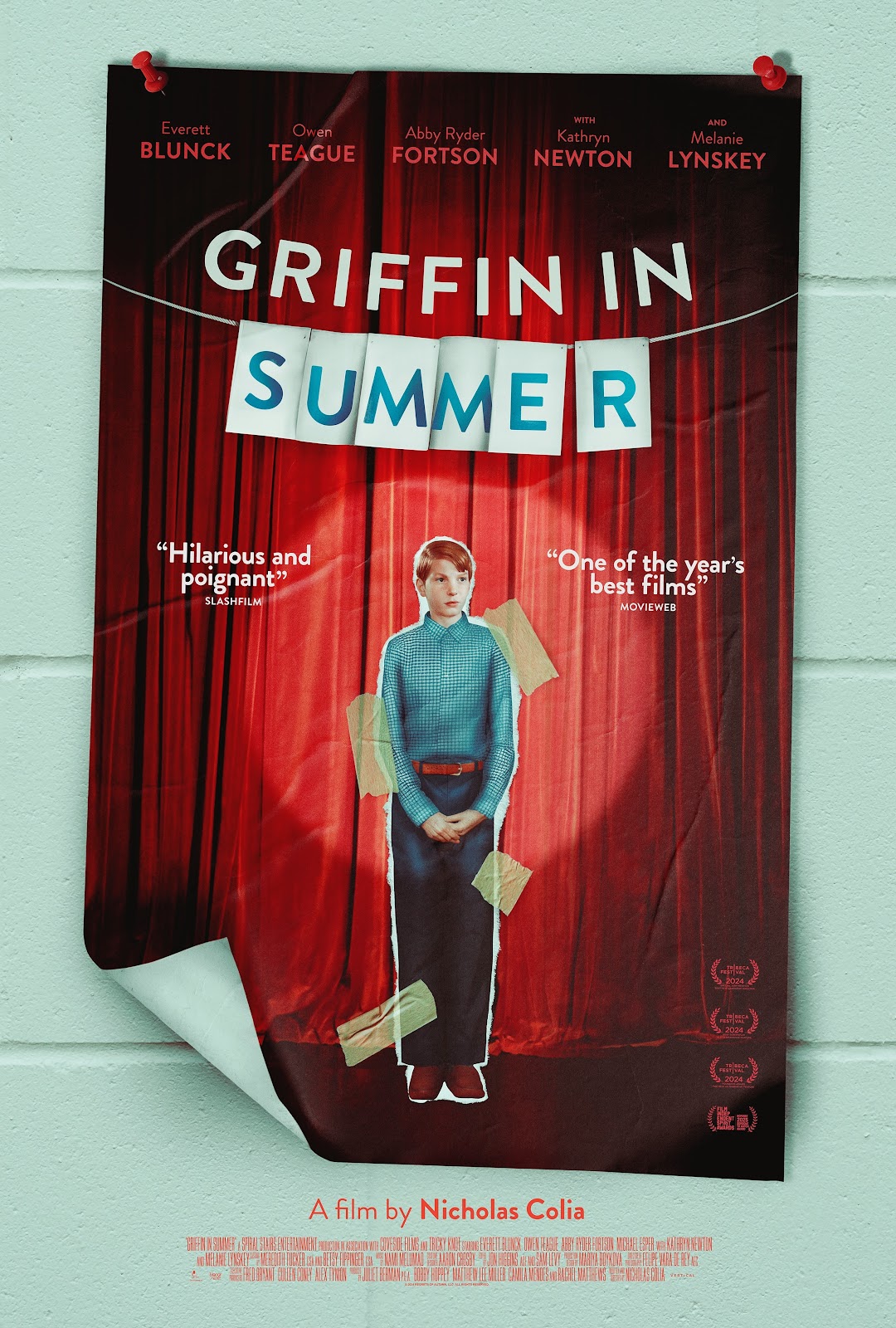
Griffin in Summer is a warm, funny coming-of-age film about artistic ambition, adolescent awkwardness, and the first flicker of same-sex desire. Modest in scale but sharp in observation, it captures a fragile turning point in queer self-awareness with real charm.
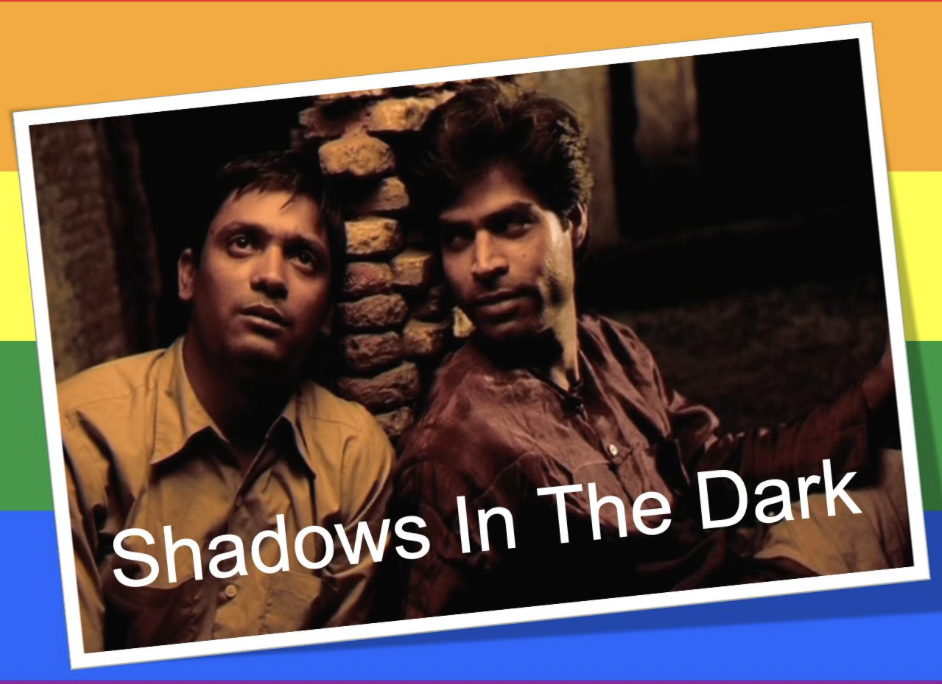
Karvaan revisits the India-Pakistan partition through a deeply personal lens, blending family memory, women’s suffering, and queer desire into a layered historical drama. It is heavy material, but the film’s emotional ambition makes it a striking watch.

Review
The History of Sound Review: A Luminous Period Gay Romance Carried by Music, Memory, and Loss
The History of Sound is a hushed, beautifully acted period romance that turns folk music, memory, and longing into something quietly devastating. Its pace is deliberately slow, but the emotional payoff is rich for viewers willing to settle into its mournful rhythm.

Sebastian is a modestly produced but emotionally grounded gay drama set between Peru and Los Angeles. Its visual roughness never fully disappears, yet the film earns real feeling through its themes of family rejection, queer identity, fatherhood, and the complicated cost of returning home.

Nunca Vas a Estar Solo is a Chilean gay drama about a brutal homophobic attack, parental grief, and the emotional fallout of silence. The film starts with urgency and social weight, but its powerful premise ultimately gives way to a frustratingly incomplete dramatic payoff.
