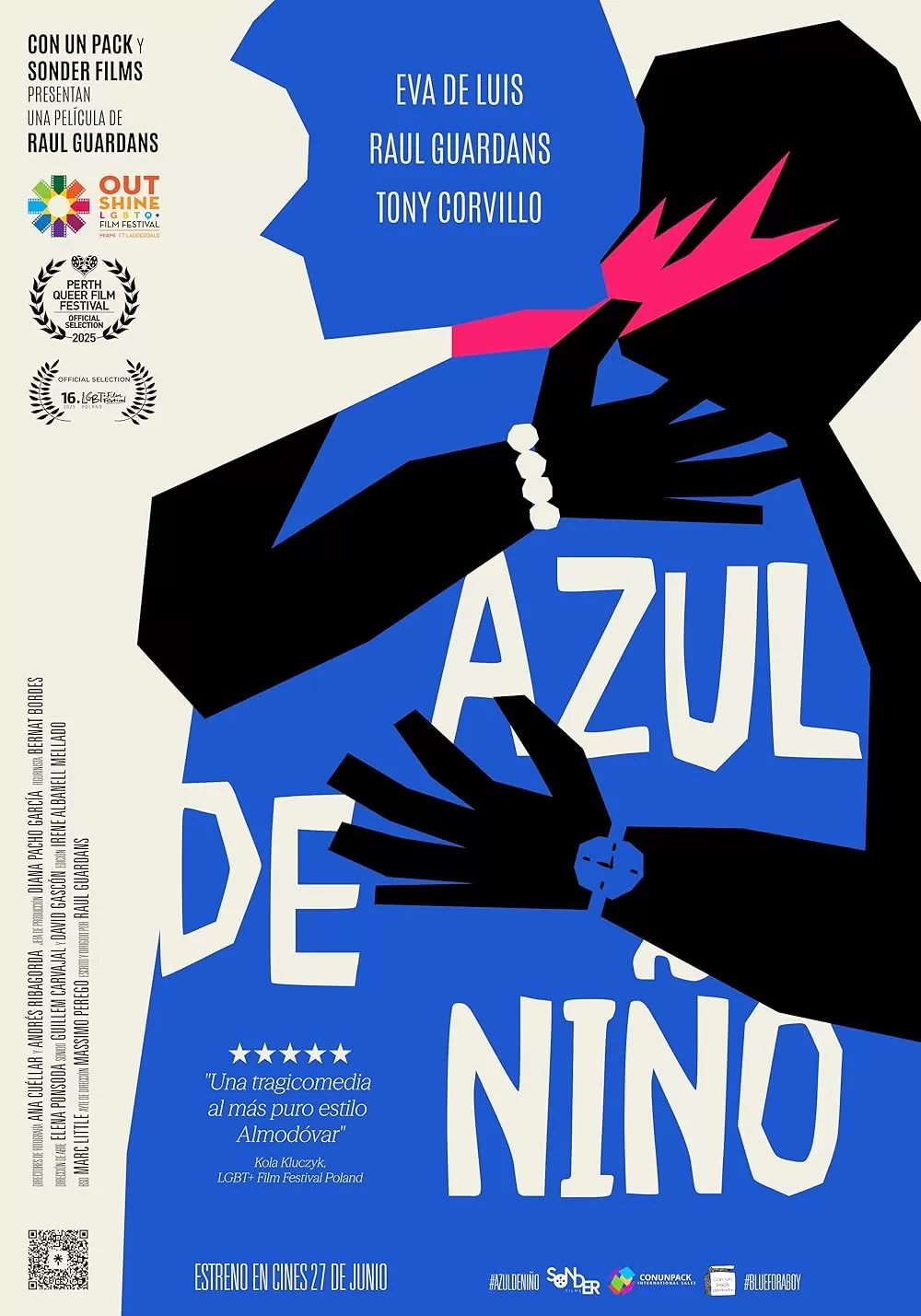
Introduction “Azul de Niño (Spanish) [Blue for a Boy]” isn’t your average love triangle drama—it’s a raw, sometimes messy exploration of love, identity, and betrayal set against the sterile, humming backdrop of a hospital. Directed by Claudia Garibaldi, the film dives into the tangled relationships between Natalie, her husband Ernesto, and Daniel, a young man who turns out to be much more than a secret. The film made a splash at festivals for its honest, unvarnished look at sexuality and the pain of self-deception, drawing comparisons to Almodóvar’s early works for its boldness, though not always its finesse. Review I’ll admit, when I first read the synopsis for “Azul de Niño,” my curiosity was piqued. A wife, a husband, and a lover—except the lover is a young man. There’s something electric about stories that promise to shatter conventions. But as the movie unfolded, my excitement fizzled into confusion. Was I watching a dark comedy or a melodrama? The tone seemed to wobble on a tightrope, never quite deciding which side to tumble toward. The story kicks off with Natalie discovering Ernesto’s affair, and—oh boy—the confrontation is not what she expects. Instead of the usual “other woman,” she’s face-to-face with Daniel, a part-time sex worker with soulful eyes and a vulnerability that seeps through the screen. I felt the sting of her shock; I’ve never been in her shoes, but the awkward, heart-thumping silence in the room was palpable. Ernesto’s secret isn’t just infidelity—it’s a whole new world Natalie never imagined. As Ernesto suffers a sudden stroke, the plot steers everyone…
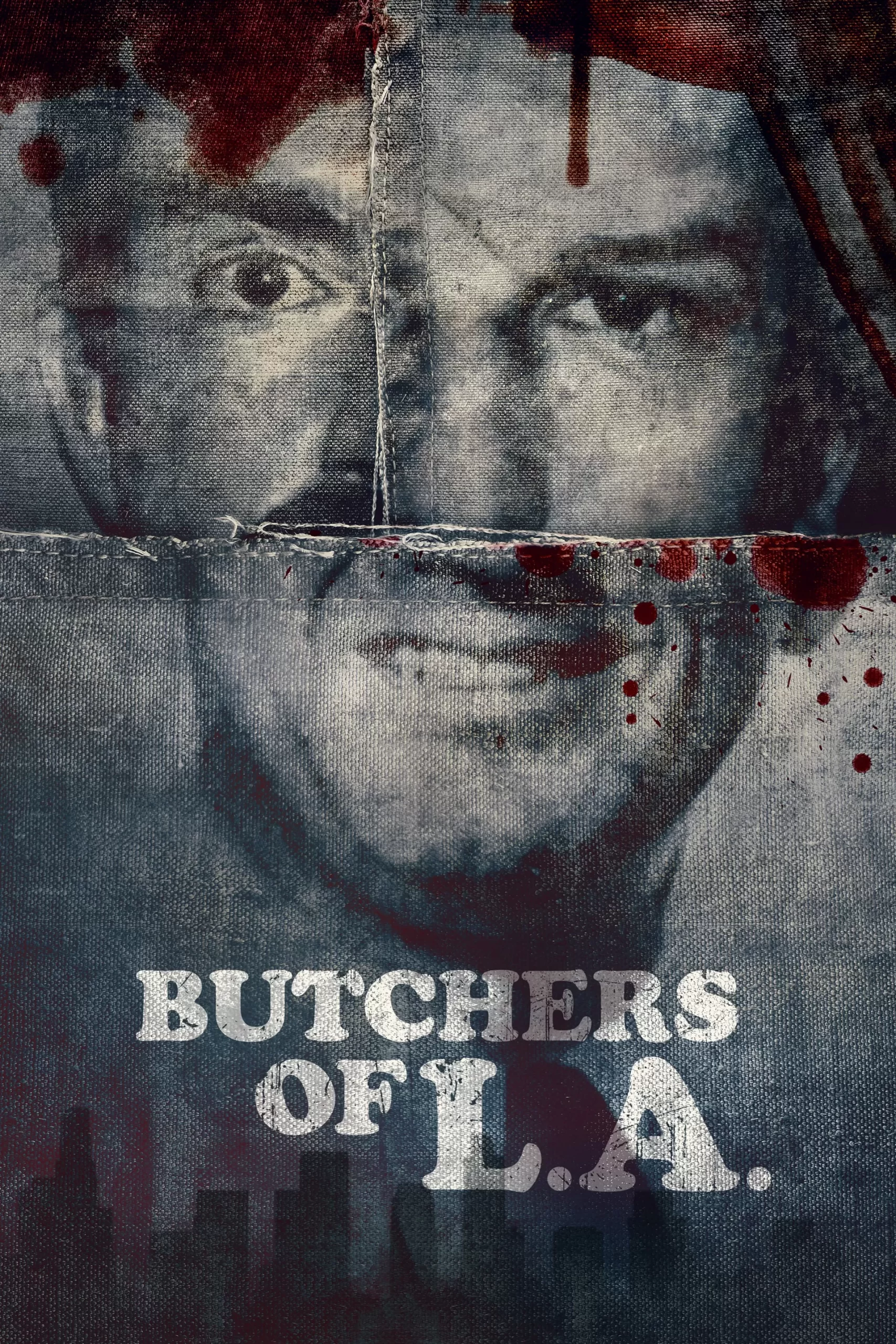
The nightmarish shadow cast over Los Angeles in the 1970s is chillingly brought to light in this three-part documentary series from Sundance, haunting viewers with stories that still gnaw at the edges of the soul. Each episode, roughly 45 minutes long, peels back layers of panic and dread stirred up by a series of brutal murders that left the city trembling. Imagine the terror unfolding as 131 bodies were discovered—soulless reminders strewn across the city's highways. The police hunt initially zeroed in on a lone culprit, but as the investigation deepened, a staggering truth emerged: not one, but three killers lurked in the shadows, each weaving their own sinister tale with different, gruesome methods. It’s the sort of real-life horror that’s earned the grim nickname “trilogy of terror,” and honestly, it’s hard not to feel a cold shiver run down your spine just thinking about it. Back then, the victims were often vulnerable young gay men picked up along the roadside, only to suffer unspeakable fates. The documentary zeroes in on this dark chapter, revealing the twisted minds of Patrick Kearney, William Bonin, and Randy Kraft—three men who, independently, turned highways into their hunting grounds. These weren’t random acts of violence; each kill was marked by a cold, methodical cruelty that still baffles the mind. It’s harrowing, haunting, and if you ask me, here lies a grim reminder of how darkness often hides behind the most inconspicuous faces. The episodes dive into this chilling saga with titles that hint at their grim content. The first, "Trash Bags," drags us into…
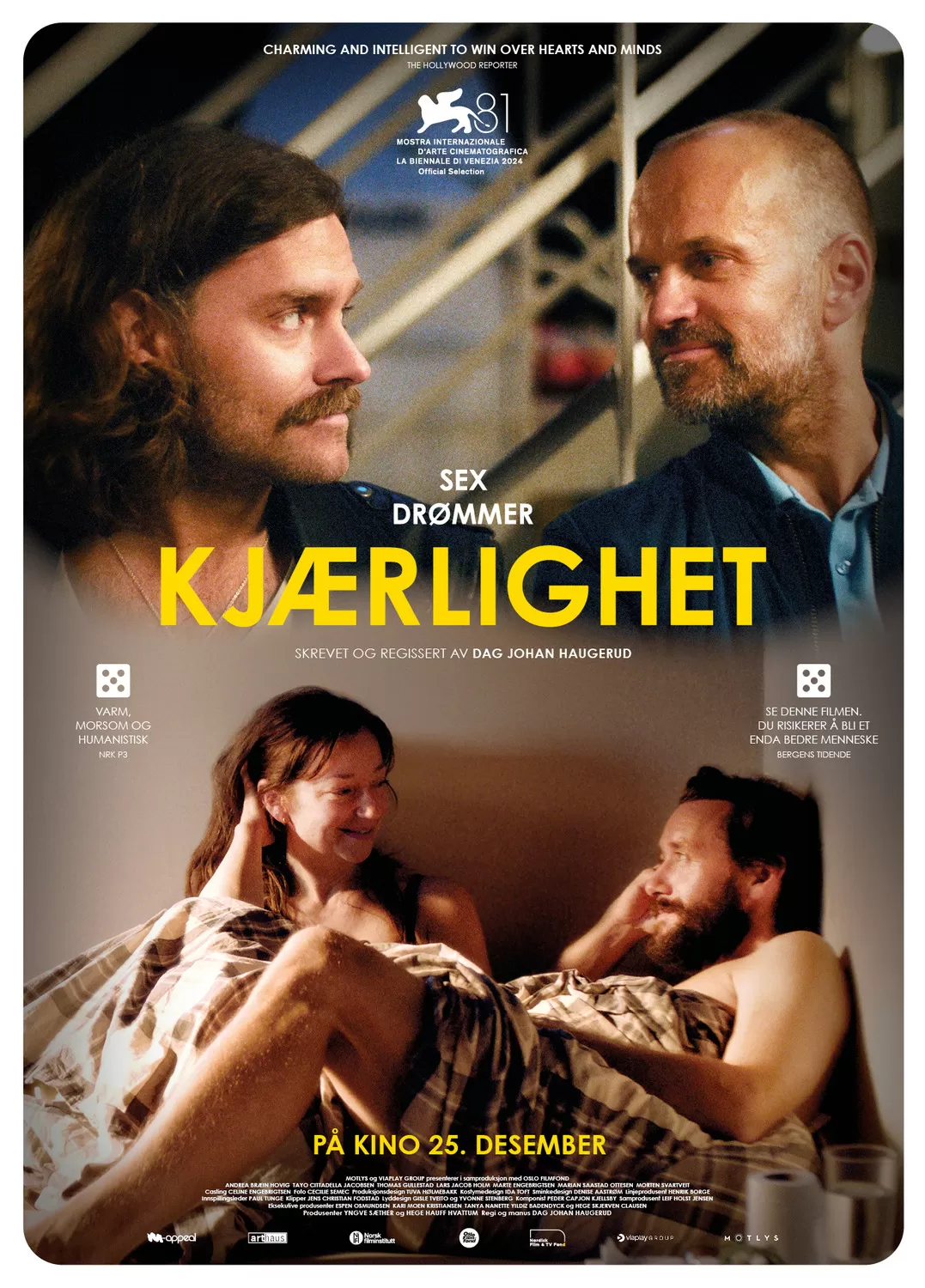
This movie, part of a trilogy (one I’ve already reviewed on my blog), delves into the complexities of modern relationships, especially in the age of dating apps. It focuses on two colleagues who approach sex and romance in vastly different ways. The film is raw, honest, and unflinchingly open, with a lot of dialogue that explores how contemporary love is shaped. While some may find it slow or even tedious, it's clear that the filmmaker is making a deliberate statement, almost as if he's writing a love letter to Oslo, just like he did in his previous work, Sex. Though it’s not explicitly a "gay-themed" film, one of the characters is gay, and through his perspective, we get a fresh, candid look at sex, love, and relationships from a gay man’s point of view. The movie opens with Marianne, a urologist, delivering difficult news to a patient about prostate cancer. After the consultation, her colleague Tor (a male nurse) notices that the patient may not have fully grasped the gravity of the situation. So, he goes out of his way to make sure the man receives the clarification he needs. This subtle exchange immediately tells us that Marianne, while an expert on men's biology, doesn't fully understand their emotional complexities. On the other hand, Tor, being a gay man, feels he has a better handle on these nuances. Later, they cross paths again on a ferry—Marianne heading to a party to meet a guy her friend thinks she might click with, and Tor explaining how he uses Grindr to find…
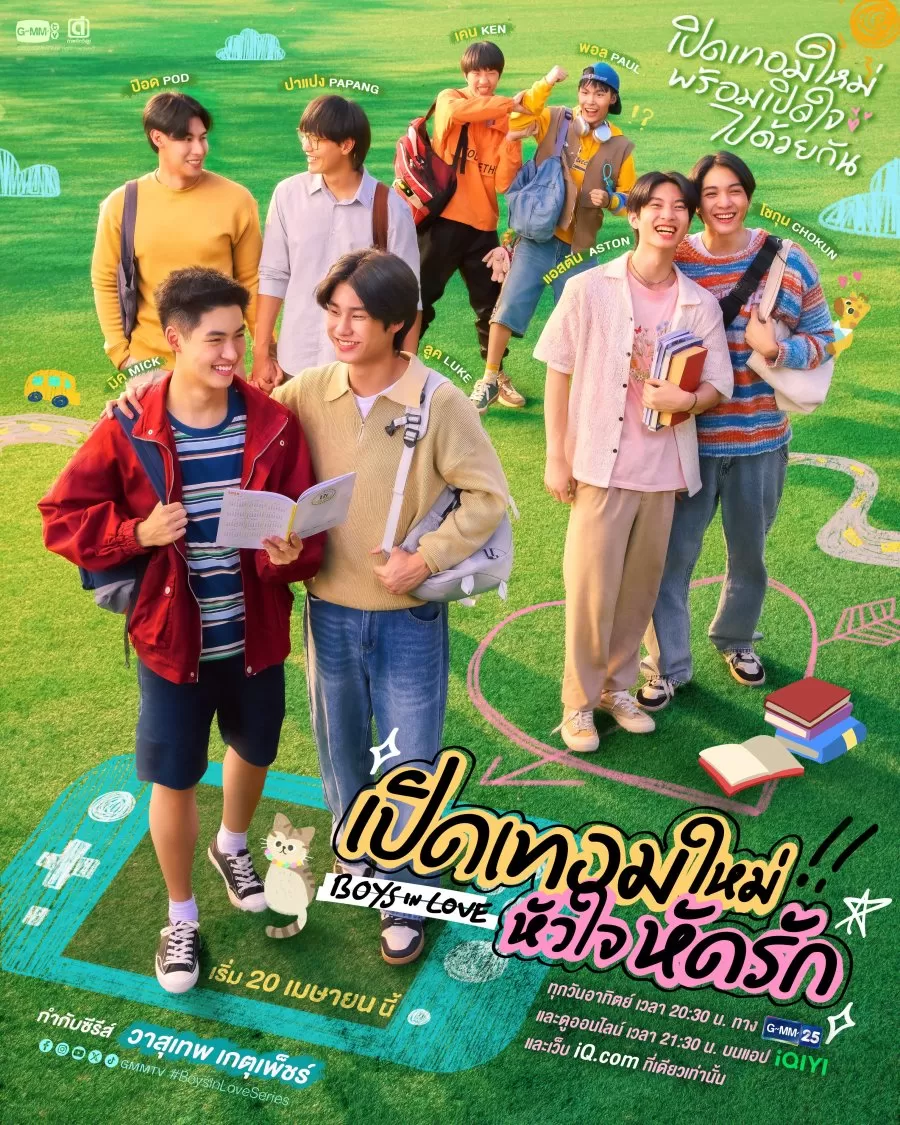
“Boys In Love” is yet another dive into the familiar waters of high school teen romance—but honestly, sometimes it’s those well-worn paths that bring the most comfort. What caught my heart with this Thai BL series wasn’t some wild plot twist or dramatic upheaval. Nope, it’s the gentle, unforced unfolding of relationships that feels so refreshingly real. It’s like being handed a warm cup of your favorite tea on a chilly day—not flashy, but deeply satisfying. The story doesn’t bog you down with heavy drama or melodrama. Instead, it chooses to float along the tender, heartfelt moments that bind several couples together. Early episodes quietly draw you into their worlds—watching how love sneaks in, lingers, and how insecurities quietly creep in like shadows. Then, as the series whispers towards its finale, the focus shifts to what happens when the carefree days of school dissolve into the daunting unknown of university life and growing up. With about 12 episodes, each running close to 45 minutes, it’s a slow burn that lets you savor every emotion. Taking center stage first is Shane and Kit’s story. Shane, the diligent student chasing a scholarship dream, ends up tutoring Kit, a math struggler who just takes life as it comes. Their beginning? Complete chaos. Shane’s nerves and fears clash against Kit’s laid-back vibe. But slowly, something tender blossoms between them—quiet, effortless, and completely believable. Family drama sneaks in as a subtle storm, but nothing feels overpowering. The real tension builds around future choices—Shane’s scholarship falls through, shaking his confidence to the core. But thanks to…
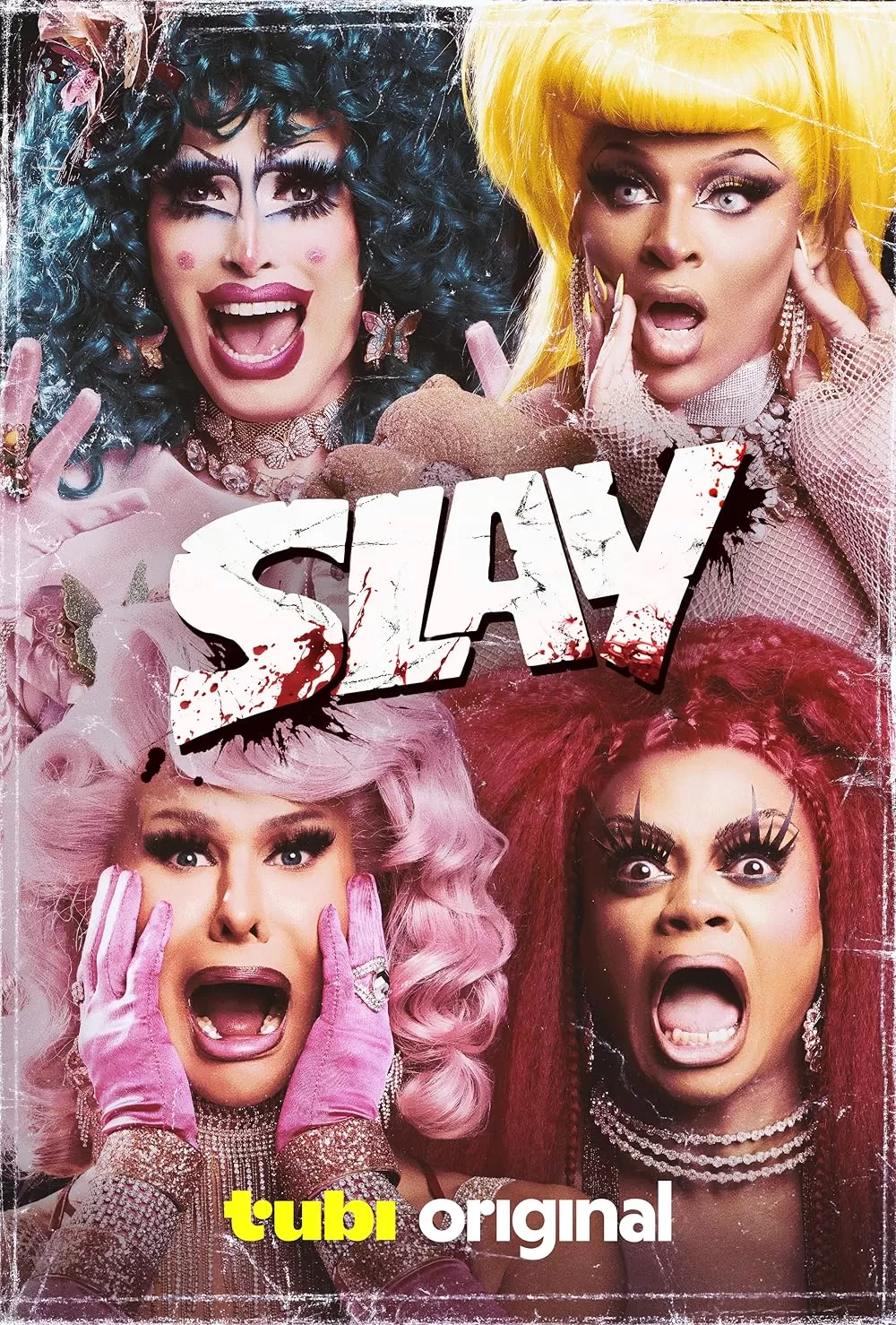
“Slay” (Canada): A Glitter-Soaked, Fang-Biting Drag Battle You Didn’t Know You Needed You ever stumble across a movie that feels like a fever dream come to life? “Slay” is exactly that—a wild, glitter-bombed mashup of drag queens, vampires, and roughneck bikers, all duking it out in a backwoods bar. Honestly, I went into it with my guard up. Cheesy horror-comedy usually isn’t my thing, and I’m not afraid to admit that. But hey, if you’re the kind who lives for camp, this might just be your next guilty pleasure. The story kicks off on the open road, our heroes being a troupe of four drag queens, heels and wigs packed, headed for what they believe is a legendary gay bar gig. Picture their faces when they roll up and realize the “legendary” part was a bit of wishful thinking—this is more like a run-down watering hole in the middle of nowhere, run by an old guy named Dusty. His regulars? Hulking, beer-swilling bikers who wouldn’t know RuPaul from a wrench. Now, you’d think the queens would turn tail and hit the road. But bills need paying, and pride can take a backseat to a paycheck. So they stay. They perform. And just as the show gets going, the place is suddenly crawling with vampires—fangs, blood, the whole works. Now, if you’re imagining a RuPaul’s Drag Race episode gone full “From Dusk Till Dawn,” you’re not far off. Suddenly, drag queens, locals, and even those burly bikers have to team up if they want to see the sunrise. If that’s not…
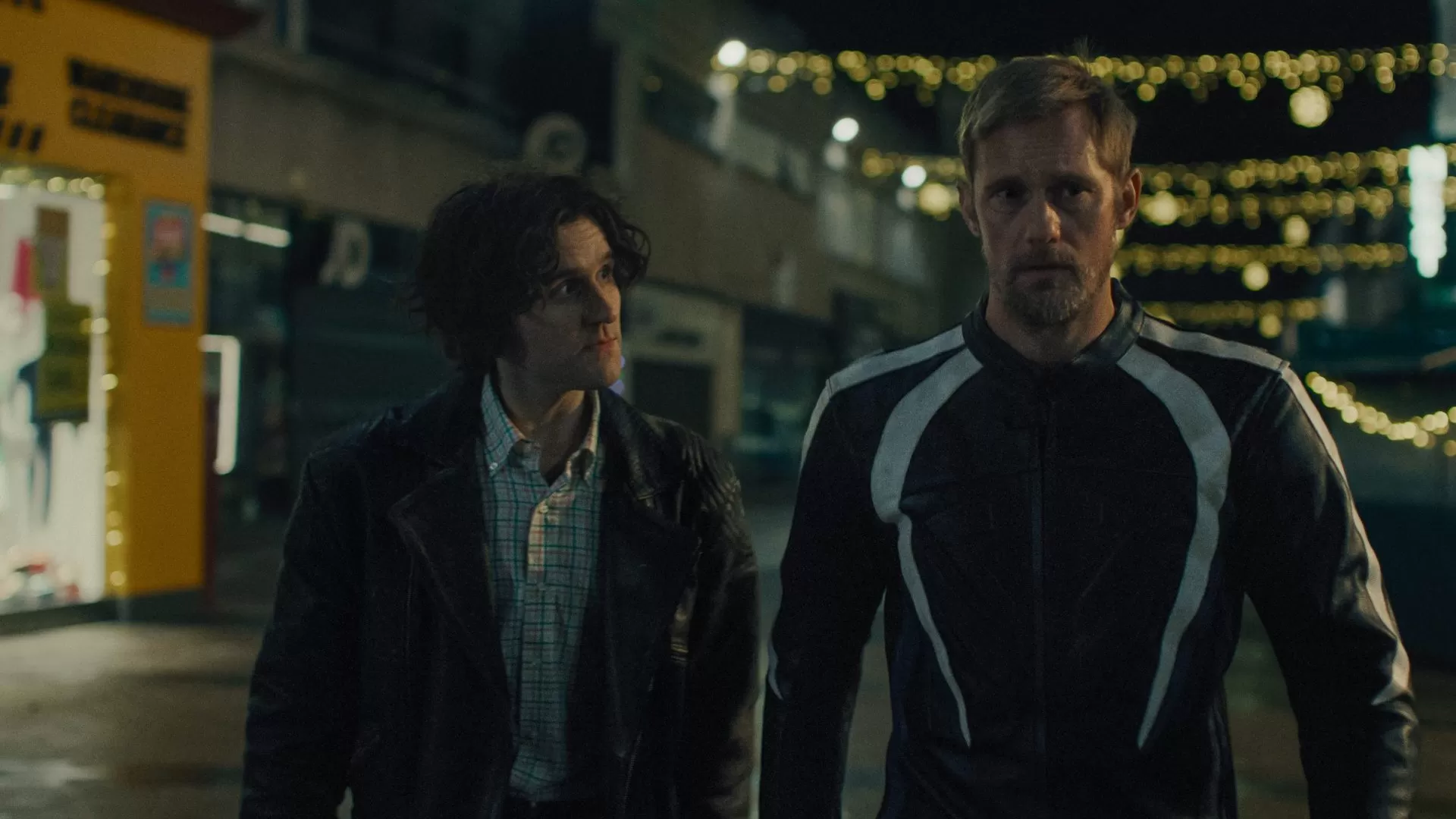
Celebrating his debut feature, director Harry Lighton doesn’t just dip a toe into cinema waters—he plunges headfirst with Pillion, an intoxicating exploration that grabbed me from the very first scene. If you’re part of the gay community, or even just a sucker for compelling love stories, this film’s premise alone sparks curiosity: a shy young man’s initiation into both love and submission, guided by a menacingly magnetic biker gang leader. And guess who steps into that dominant role? None other than the captivating Alexander Skarsgård—delivering a portrayal that simply takes your breath away. Let’s talk about Colin and Ray, the unusual duo at the story’s heart. Colin, portrayed by Harry Melling, is the picture of social awkwardness. There’s a quiet intensity about him, like a soul wandering in a fog, slightly out of sync with the world. I couldn’t help but feel a pang of empathy—here’s a guy who lives quietly, tucked away in his parents’ home, dabbling in a quaint folk band, and seemingly untouched by romantic experience. Then enters Ray, a strikingly charismatic figure, a biker gang leader exuding raw, rugged masculinity. But more than that, Ray is a man bound to dominance, seeking an obedient counterpart not for casual fun, but as a defining part of his existence. His gaze pins Colin as someone with untapped potential for submission—a subtle, electric moment that set the screen ablaze for me. Watching Skarsgård embody Ray is like witnessing a force of nature. His blond hair glistens under the camera’s eye, channeling an almost otherworldly presence—the kind of dark prince…

"I Promise I Will Come Back" (Thai Series) is a hidden gem that takes you on an emotional roller coaster, all while subtly showcasing the breathtaking landscapes of Northern Thailand. Though the series has a good portion dedicated to promoting tourism, it never feels like a forced advertisement. Instead, the beauty of the locations is woven into the fabric of the story so seamlessly that it's easy to forget you're watching a promotional piece. As the lush landscapes unfold, you're either lost in the beauty or swept away by the compelling love story that unfolds between the two leads. For an 8-episode series, each lasting about 45-50 minutes, it’s surprisingly captivating and deeply emotional. The story revolves around Tontae and Nankrai, childhood best friends who have been inseparable for years. But right from the beginning, it's evident that Nankrai harbors deeper feelings for Tontae. The tension is palpable—while Nankrai’s eyes reveal a love that runs much deeper, Tontae remains blissfully unaware, seeing his friend only as someone close, someone familiar. Tontae dreams of traveling the world, and his grasp of English makes him the perfect guide for Victor, a Taiwanese visitor who comes to explore the village and its surrounding areas. As the two boys spend time together, exploring the village and its culture, their bond deepens. What starts as a simple friendship slowly blossoms into something more tender, more profound. It’s one of those slow-burn romances where you can practically feel the electricity in the air. Their love is pure—there’s no hesitation, no doubt. It just is. And yet,…
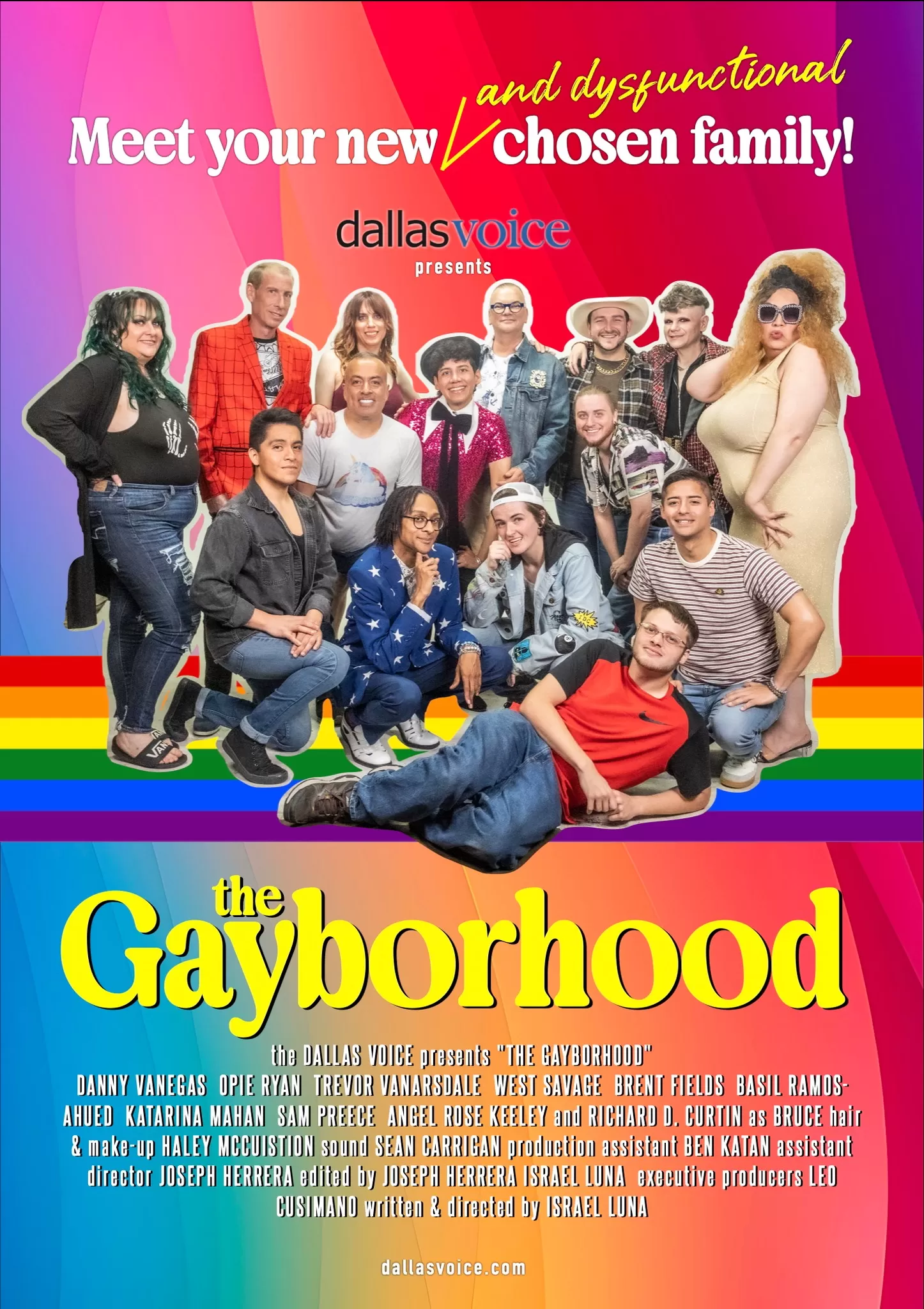
There’s something a bit old-school about calling this show Gayborhood in today’s world, don’t you think? Honestly, it feels a little narrow, especially given how wide and welcoming the series actually is. It’s not just about gay characters; lesbians, drag queens, trans folks – the whole beautiful spectrum is here. I kept wondering, wouldn’t calling it Queerhood or something more inclusive fit better? Maybe I’m just being picky. But that aside, the heart of the story isn’t a single person’s journey. Instead, it spins around the bustling Space Studios and the motley crew running it. The first season, with its bite-sized episodes — each about twenty minutes — wraps up leaving you hanging, begging for what’s next. Now, dive into Space Studios, and you feel the pulse of a real community. Run by Bruce — who slays as the drag queen Heather — this place in Dallas is more than a venue; it’s a home for the LGBTQ+ fam. When the old manager flaked spectacularly, in strolls Noah, the new guy ready to bring some order to the chaos. I liked how quickly Noah got to grips with Jesse, the nonbinary handyman who’s equal parts sharp and kind-hearted. Together, they navigate an eccentric mix: unpredictable clients, loud personalities, and Bruce’s larger-than-life presence. Through Noah’s eyes, we get to know the others — like that trans man podcasting his soul out here, or his friend chasing a country music dream. The music subplot? Quite the rollercoaster. The agent who spots the bartender turns out to be... let’s just say, not your…
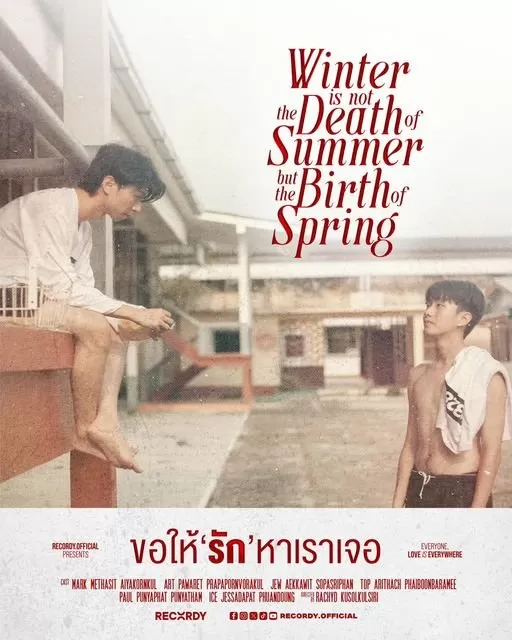
Winter Is Not The Death Of Summer But The Birth Of Spring (Thai Series) – A Poignant Journey Through Seasons of Life Introduction "Winter Is Not The Death Of Summer But The Birth Of Spring" (Thai title: ฤดูหนาวไม่ใช่ความตายของฤดูร้อนแต่คือการเกิดของฤดูใบไม้ผลิ) is a captivating Thai drama series that triumphs in blending emotional storytelling with evocative symbolism. Spanning a compact series of episodes, it masterfully explores themes of healing, transformation, and hope through the lens of its richly developed characters and nuanced relationships. In this review, I will dive deep into the various facets that make this series a memorable experience: the narrative structure, character arcs, performances, cinematography, soundtrack, and cultural undertones. Whether you're a fan of Thai dramas or new to the genre, this series deserves a closer look for its thoughtful execution and artistic merit. Synopsis At its core, "Winter Is Not The Death Of Summer But The Birth Of Spring" follows the intersecting lives of two protagonists, Niran and Kae, who come from starkly different backgrounds but find themselves bound by major life upheavals during the harsh winter months. Niran, a reclusive artist grappling with the recent loss of his mother, retreats into isolation to escape his grief. Kae, on the other hand, is a spirited young woman fighting societal prejudices as she pursues her dream career in a major city. As the narrative unfolds, the "winter" symbolizes obstacles and pain — heartbreak, loneliness, and despair — but gradually transitions into "spring," representing renewal, recovery, and new beginnings. The series carefully crafts this metaphor through its pacing and character growth, making…
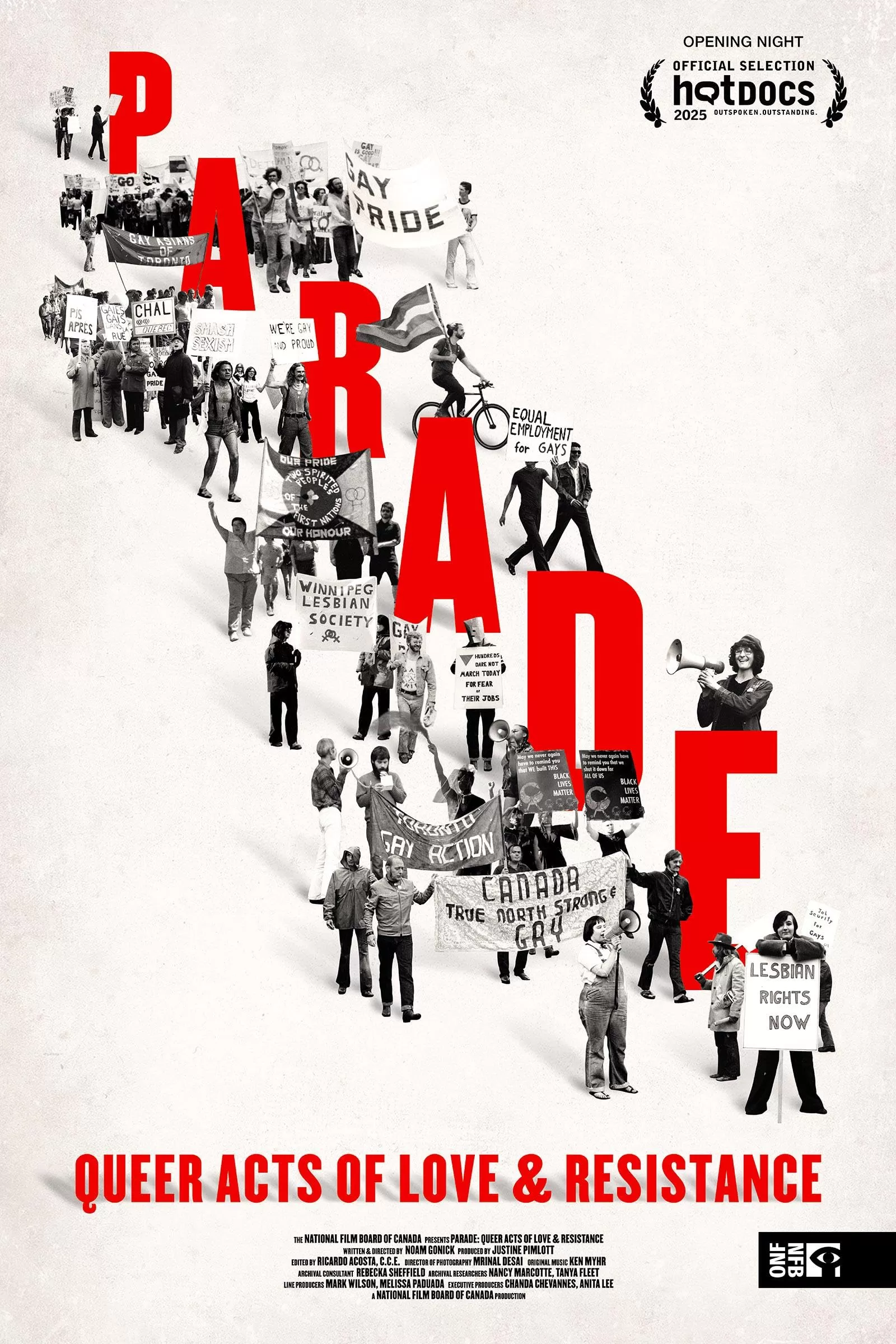
"Parade: Queer Acts of Love & Resistance" is a documentary that brings to the forefront the incredible, often painful history of the queer movement in Canada. It isn't just a story of marches and protests, but a tapestry woven from personal experiences, archival footage, and profound moments that define a country's evolution in its acceptance and recognition of 2SLGBTQ+ rights. This is a story of resilience, love, and unwavering resistance. The film kicks off with the landmark statement by Prime Minister Pierre Elliott Trudeau, who boldly declared that the government has no business in the "bedrooms of the nation." That was in 1969, before homosexuality was decriminalized in Canada. From that moment, the documentary takes us on a historical journey through pivotal events like the Gay Liberation Movement and the We Demand Rally in Ottawa in 1971. The movement gained momentum in the face of numerous challenges, including the notorious Toronto bathhouse raids and the cruel indifference with which the government responded to the AIDS crisis. We see how these moments shaped a growing and evolving sense of activism in the queer community. But the documentary doesn’t just present facts; it puts faces to the movement. The voices of older activists, those who lived through the criminalization of homosexuality, add depth and poignancy to the narrative. Their stories are heartbreaking and enlightening, revealing the brutality they faced just for being themselves. Take, for example, Svend Robinson, Canada's first openly gay Member of Parliament. His story is a testament to the bravery required to step out of the shadows at a…
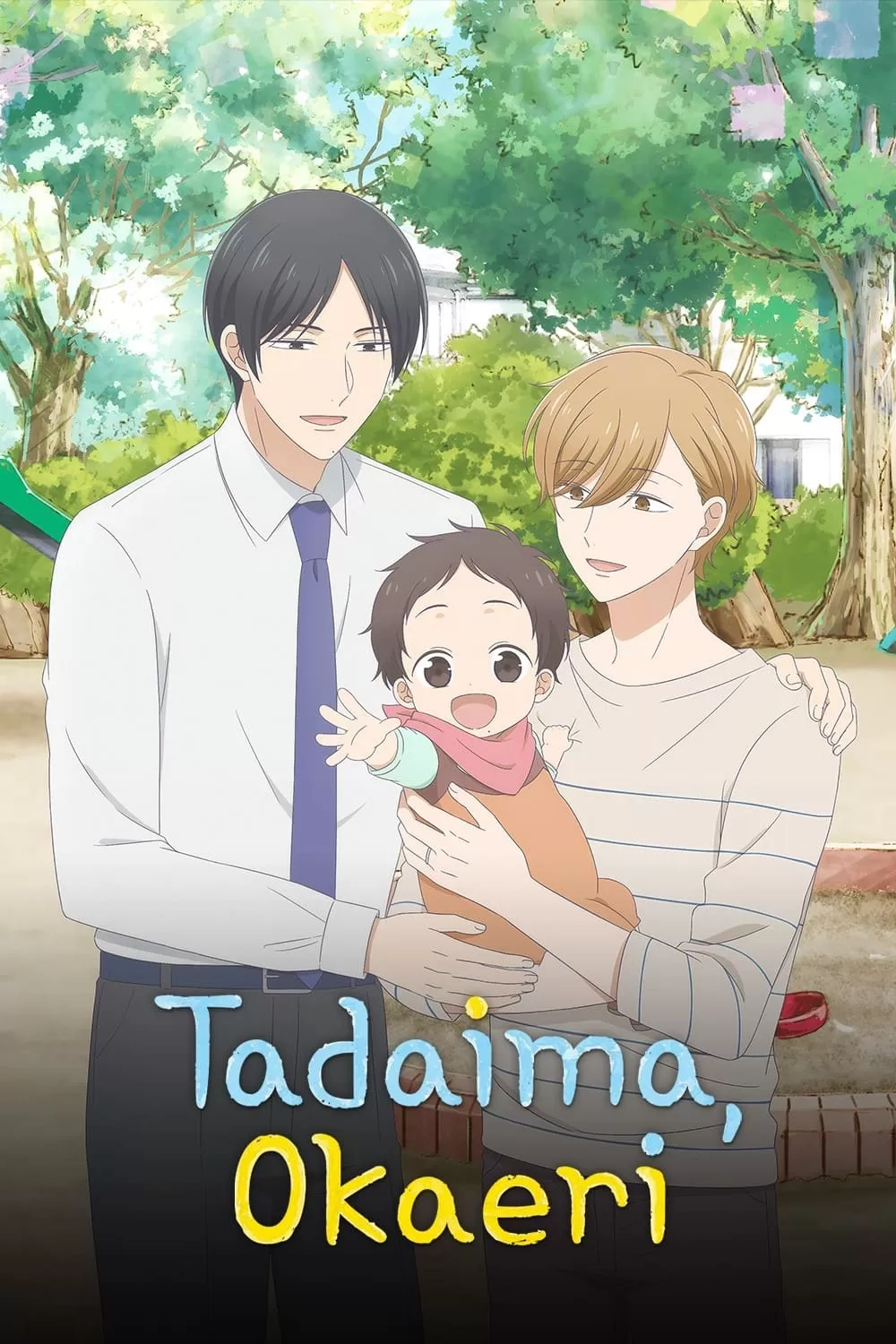
Tadaima, Okaeri: A Heartwarming Journey of Love, Family, and Acceptance "Tadaima, Okaeri," which translates to "Welcome Home," is an anime series that centers on the everyday life of a unique family—a pair of house husbands, Masaki and Hiromu, as they navigate parenthood and familial relationships. At the heart of it, the show explores the joys and challenges of raising children while tackling societal issues in a world where the concept of the Omegaverse exists. Now, if you're like me, this was a fresh new concept to grasp. But don’t worry, let me break it down for you. In the Omegaverse, people are classified into three categories based on their reproductive and sexual biology. Alphas are the "dominant" ones, capable of impregnating others but unable to bear children themselves. Omegas are those who can give birth, regardless of their outwardly masculine appearance, and Betas are pretty much just regular folks like you and me. The most significant challenge in this world comes from the prejudice faced by Omegas—who often endure discrimination, violence, and even sexual assault. The series' main focus is on Masaki, an Omega who’s married to Hiromu, an Alpha. Together, they’re raising their children with love, care, and tenderness—Masaki playing the role of the househusband while Hiromu works as the primary breadwinner. The show starts with their son, Hikari, and it’s filled with light-hearted moments, the little victories of daily life, and the occasional hurdle that every family faces. As the plot unfolds, we get a deeper look into the couple’s past. Hiromu’s parents, who initially disapproved of their…
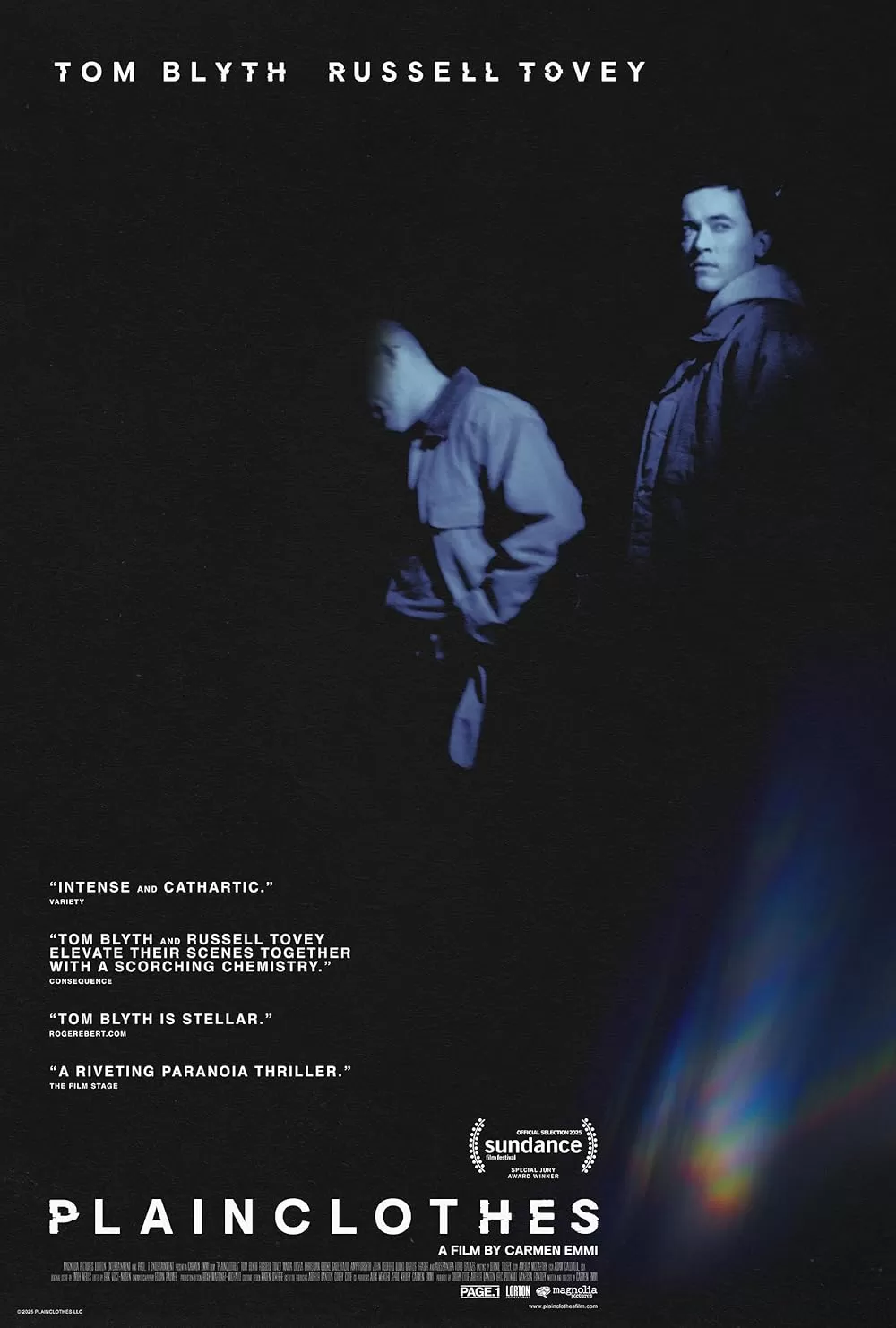
There’s something raw and electric about Plainclothes that grabs you by the heart and refuses to let go. Set against the muted, almost dusty backdrop of 1990s Syracuse, the film throws you headfirst into a world where gay identity is shrouded in shadows and hidden behind layers of fear and secrecy. Watching it, I couldn’t help but feel the claustrophobia, the constant tension crackling like static in the air—an invisible enemy lurking in every glance and whispered conversation. The grainy VHS-style narration, a clever touch, doesn’t just tell the story; it makes you feel the anxiety pulsing through our protagonist’s veins, as if you were right there in his shoes, heart hammering with every uncertain step. At the center is Lucas, a young cop whose life is a delicate dance on a razor’s edge. He’s hiding more than just his badge—he’s concealing a part of himself he’s terrified to reveal. Assigned to patrol a mall bathroom notorious as a secret meeting spot for closeted gay men, Lucas’ job is as brutal as it is ironic: to trap those just like him, the very souls he desperately wants to protect yet must betray. It’s heartbreaking, really—watching a person so caught in their own web of denial and survival. His youthful charm makes him the perfect lure, but behind that charming facade lurks a storm of conflict and confusion. On the home front, there’s a loving, if somewhat oblivious, mother, a frail father whose shadow looms large, and an Uncle Paul who fills the gaps they leave behind. The flicker of hope…
